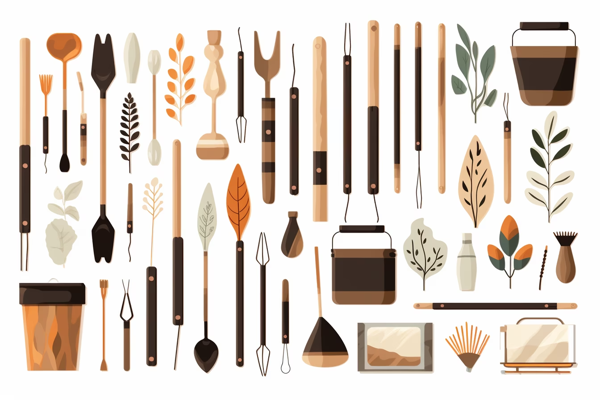
10 Tips and Techniques for Sketching and Painting on Bristol Paper
Bristol paper is a popular choice among artists and illustrators for its smooth surface and durability. Whether you're a beginner or an experienced artist, sketching and painting on Bristol paper can provide a unique and satisfying creative experiance. In this blog post, we will explore 10 tips and techniques to help you make the most of your artistic endeavors on Bristol paper.1. Choose the Right Bristol Paper
The first step in creating a successful artwork is selecting the right type of Bristol paper. There are various weights and finishes available, each offering different characteristics. Consider the medium you'll be using, such as graphite, colored pencils, or watercolors, and choose a paper that suits your needs. Experiment with different types, like the Strathmore 300 Series Bristol Smooth Pad, to find the one that works best for your style and preferences.2. Prepare Your Surface
Before you start sketching or painting, it's essential to prepare the surface of your Bristol paper. If you're using graphite or colored pencils, lightly sanding the paper with fine-grit sandpaper can help create a smoother texture for better blending and shading. For watercolor or ink, consider applying a layer of gesso to prevent the paper from buckling or warping. The Neenah Cardstock is a great option for a heavyweight surface.3. Practice Your Sketching Skills
Sketching is the foundation of any artwork, and Bristol paper provides an excellent surface for honing your sketching skills. Use a range of pencils or pens to experiment with different line weights and techniques. Practice drawing various subjects, such as still life, landscapes, or portraits, to improve your observation and rendering abilities.4. Experiment with Different Pencil Grades
One advantage of using Bristol paper is its ability to handle different pencil grades. From soft to hard, each pencil grade offers a unique texture and tonal range. Try experimenting with different grades, like the Canson XL Series Bristol Pad, to achieve the desired effects in your sketches. Play with light and shadow, and explore the full potential of your chosen medium.5. Harness the Power of Layering
Layering is a technique that can add depth and dimension to your artwork. Bristol paper allows you to build layers of color, creating rich and vibrant illustrations. Whether you're using colored pencils, markers, or watercolors, experiment with layering to achieve unique textures and effects. Blend colors or use cross-hatching techniques to add depth and interest to your artwork.6. Explore Mixed Media Possibilities
Bristol paper is versatile and can handle various mediums. Don't limit yourself to a single medium; instead, explore the possibilities of mixed media. Combine watercolors with ink, or add touches of acrylic paint to your colored pencil drawings. Embrace experimentation and let your creativity flow. The Canson XL Mix-Media Paper is a great choice for mixed media projects.7. Use Masking Techniques
If you're working with watercolors or ink, masking techniques can be incredibly useful on Bristol paper. Masking fluid or tape can help preserve areas of white space or create crisp edges. Experiment with different masking techniques to add highlights or protect specific areas of your artwork.8. Embrace Texture
While Bristol paper is known for its smooth surface, don't be afraid to add texture to your artwork. Explore different techniques, such as stippling, scumbling, or sgraffito, to create interesting textures and visual interest. Use a variety of tools, from brushes to palette knives, to experiment with different mark-making techniques.9. Pay Attention to Lighting and Contrast
Lighting and contrast play a crucial role in creating visually striking artworks. When sketching or painting on Bristol paper, pay attention to the interplay between light and shadow. Experiment with dramatic lighting or high contrast to add depth and drama to your artwork.10. Practice Patience and Perseverance
Lastly, remember that practice makes perfect. Sketching and painting on Bristol paper, like any artistic endeavor, requires patience and perseverance. Don't be discouraged by initial setbacks or unsatisfactory results. Keep practicing, experimenting, and pushing your creative boundaries. With time and dedication, you'll develop your unique style and create stunning artworks on Bristol paper.As you embark on your artistic journey with Bristol paper, remember to have fun and enjoy the process. The tips and techniques mentioned above are meant to serve as a starting point for your exploration. Feel free to adapt and modify them to suit your own style and preferences. What are your favorite mediums to use on Bristol paper? Have you tried any of the techniques mentioned above? Share your thoughts and experiences in the comments section below.


Dirty-Boner - October 17, 2023
OMG! This post is perf! I've been using Bristol paper for ages, but these tips are game-changers. Can't wait to try 'em all out. Thanks for sharing!
nerdflight - October 16, 2023
Great tips! I've been using Bristol paper for my sketches and paintings and these techniques will definitely come in handy. Can't wait to try them out!
The-mount - October 15, 2023
Wow, these tipz and techniqez are nothig new, i've herd all of them before. Bristl paper is ok, but itz not the best for sketchin and panting. The autthor shud have included more advices and maybe some examples. Disapointing!
- October 14, 2023
Nice tips, thanks for sharing!
Final-fantasy-withdrawal - October 13, 2023
Great tips, thanks! Can't wait to try these techniques on my Bristol paper.
amafui - October 12, 2023
Wow, these tips are great! I've been struggling with my sketches on Bristol paper, but I can't wait to try out these techniques. Thanks for sharing!